
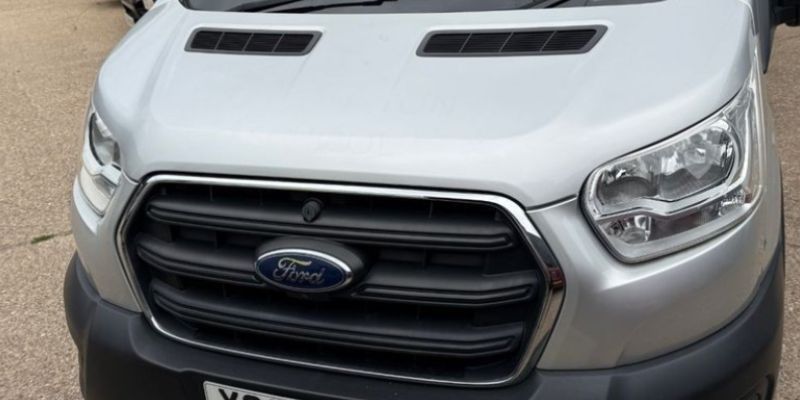
Used Ford Transit Guide: What to Look for When Buying a Used Transit Van
For decades, the Ford Transit has been the backbone of British commerce. Whether you are a plumber heading to your first job of the day or a small business owner scaling up your delivery fleet, the Transit is likely at the top of your list. It is the most recognisable commercial vehicle on UK roads for a reason: it offers a blend of practicality, drivability, and parts availability that few competitors can match.
This used Ford Transit guide is designed to help tradespeople and business owners navigate the second-hand market with confidence. Buying a van is a significant investment, and while the Transit is a robust workhorse, knowing exactly what to check can save you thousands in future maintenance.
Your Complete Used Ford Transit Buying Guide
The Ford Transit has earned its reputation as the "backbone of Britain" by being remarkably adaptable. In this used Ford Transit guide, we will move beyond the marketing speak to look at the practical realities of owning one. For first-time buyers, the sheer number of variations available can be overwhelming, but this guide will simplify the process.
Our goal is to provide a no-nonsense overview that helps you identify a well-maintained vehicle from a tired fleet workhorse. By the end of this article, you will know exactly which questions to ask and which areas of the van require the closest inspection.
Why Choose a Used Ford Transit?
Choosing a used Ford Transit is often a matter of practicality. Because they are so popular, there is a massive supply of used stock, meaning you can be picky about the age, mileage, and specifications. Furthermore, because so many are on the road, getting parts or finding a mechanic who knows the engine inside out is never an issue.
The Transit also bridges the gap between a commercial vehicle and a passenger car. The cabin ergonomics are designed for people who spend all day behind the wheel, offering comfort levels that rival many SUVs.
Which Ford Transit Model Is Right for You?
Understanding the line-up is the first step in any used Ford Transit guide. The "Transit" name actually covers a few different sizes. The Transit Custom is a medium-sized van, perfect for most tradespeople who need to park in standard bays or navigate city streets.
If you require maximum volume or heavy-duty hauling, the "Full-Size" Transit (sometimes called the 2-tonne Transit) is the better choice. Consider your daily payload and whether you need a high roof or a long wheelbase before you start viewing vehicles.
What to Look for When Buying a Used Transit Van
When buying a used transit van, the service history is your most important document. A Transit that has been part of a well-maintained fleet may have high mileage, but it will often have been serviced strictly on schedule. Conversely, a low-mileage van used for short, "stop-start" journeys might have more engine wear than one that has spent its life on the motorway.
Check the interior for signs of heavy use. While a few scuffs in the load area are expected, a heavily worn steering wheel or ripped seats can suggest a hard life that hasn't been reflected in the maintenance. Always check the MOT history via GOV.UK to see if the van has a history of failing on basic items like tyres or lights, as this indicates a previous owner who neglected upkeep.

Common Issues to Check on a Used Ford Transit
No vehicle is perfect, and this used ford transit guide wouldn't be complete without highlighting potential weak spots. On older or high-mileage models, listen for a heavy "clatter" from the engine when cold, which could indicate fuel injector issues. Additionally, feel for any slipping or "heaviness" in the clutch, as Transits used for heavy towing or urban deliveries can go through clutches more quickly.
Rust is less of an issue on modern Transits than on those from twenty years ago, but it is still worth checking the door sills and the underside, especially if the van has been used in coastal areas. If you are buying from a reputable dealer like Baxter & Simpson Heritage, many of these concerns are mitigated by professional inspections and warranties, giving you peace of mind that the van is fit for purpose.
Used Transit Van Buying Checklist
Use this checklist during your viewing to ensure you don’t miss the essentials:
Service History: Look for regular oil changes and cambelt replacements (where applicable).
The "Cold Start": Always try to start the engine when it is cold to listen for unusual noises.
Tyre Condition: Check for uneven wear, which could suggest suspension or tracking issues.
Electronics: Test the electric windows, infotainment, and especially the rear parking sensors or camera.
Load Area: Check that the rear doors and side loading doors open and lock smoothly.
Dashboard Lights: Ensure no warning lights (especially the EML or Glow Plug light) stay on after starting.
Test Drive: Listen for "knocking" from the suspension when going over bumps and ensure the van pulls straight under braking.
Where to Buy a Used Ford Transit You Can Trust
While private sales might seem cheaper initially, they offer little protection if something goes wrong a week later. Buying from a dealer like Baxter & Simpson Heritage provides a level of security that is vital for business owners. We ensure all vehicles are HPI checked and professionally prepared before they hit the forecourt.
Our transit van buying guide recommendation is to always look for value-added benefits. At our Buckinghamshire site, we offer flexible finance options including HP and PCP, which can help you manage your business cash flow. Plus, with our 12-month warranty options and part-exchange welcome, the transition to your new van is seamless and risk-free.
FAQs About Buying a Used Transit Van
What mileage is acceptable?
Modern Transit engines can easily cover 150,000 to 200,000 miles if maintained. However, for a used purchase, looking for something under 80,000 miles is often the "sweet spot" for reliability versus price.
Are Ford Transits reliable long-term?
Yes, provided they are serviced. The 2.0-litre EcoBlue engines are designed for high-duty cycles. Regular oil changes are the secret to their longevity.
Is it better to buy from a dealer?
For commercial vehicles, yes. Dealers provide consumer rights, mechanical inspections, and finance options that private sellers simply cannot offer.
Find Your Next Workhorse Today
If you are ready to put this used Ford Transit guide into practice, the best next step is to get behind the wheel. Choosing the right van is about more than just the spec sheet; it's about finding the right fit for your daily operations.
View our current used van stock to see our latest Ford Transit and Transit Custom arrivals, or contact the team at Baxter & Simpson Heritage to discuss our latest finance deals and warranty packages.